Ultimate Guide to CPAP Therapy: Sleep Apnea Treatment, Benefits & Best Practices
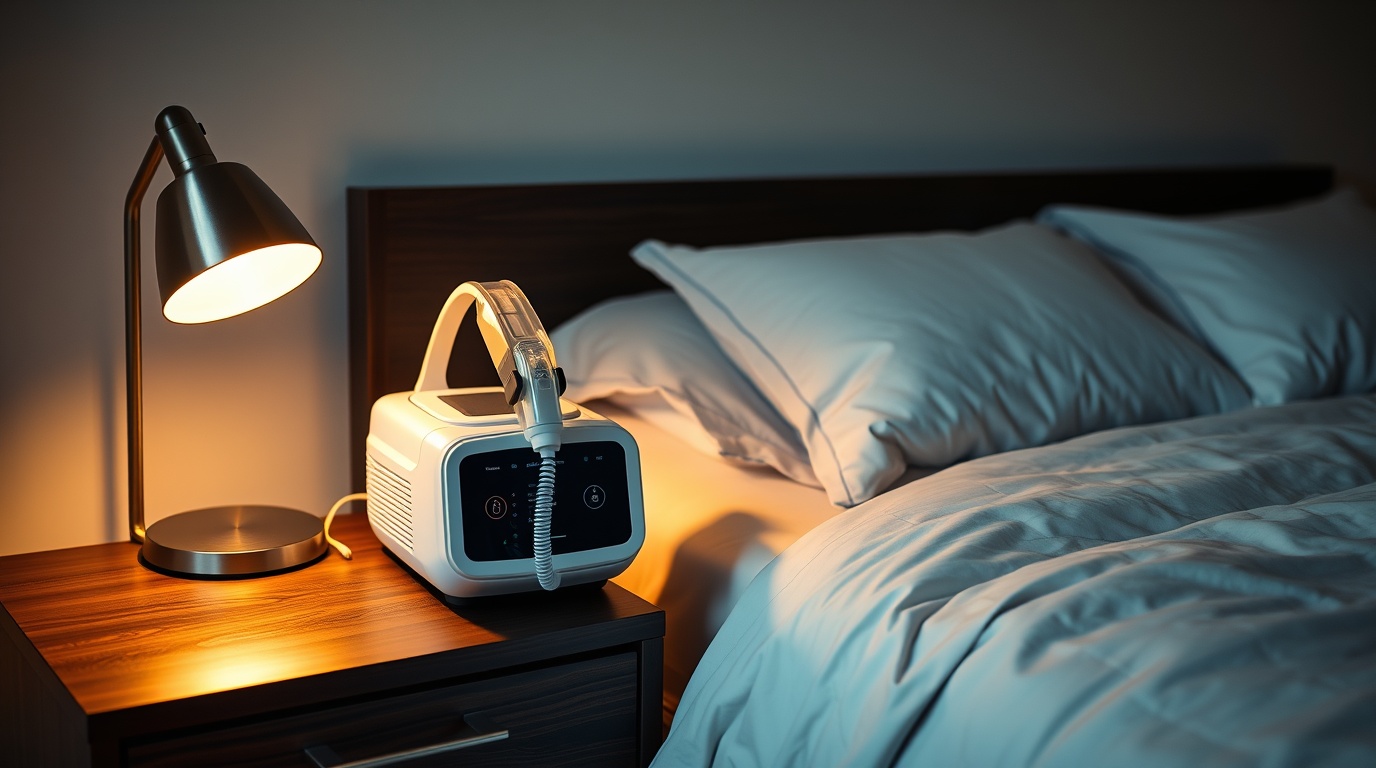
Sleep is one of the most fundamental biological necessities of human life, playing an irreplaceable role in maintaining cognitive health, emotional stability, and overall metabolic function. Yet, in our modern world, chronic sleep disorders have quietly escalated into a global health crisis. Among these, Sleep Apnea—specifically Obstructive Sleep Apnea (OSA)—stands out as a highly prevalent and potentially hazardous medical condition.
To treat Obstructive Sleep Apnea, physicians globally rely on a life-saving medical technology known as Continuous Positive Airway Pressure (CPAP). By delivering a controlled, steady stream of pressurized air, a CPAP machine acts as a "pneumatic splint" that keeps the upper respiratory tract open during sleep. This ultimate guide explores how CPAP works, its vital health benefits, system components, user challenges, and the essential maintenance routines required to achieve optimal sleep quality.
1. Understanding the Clinical Need: What is Sleep Apnea?
Before investigating how a CPAP machine works, it is essential to understand the underlying sleep disorder it treats. Sleep apnea is characterized by repetitive pauses in breathing during sleep, lasting from ten seconds to over a minute, occurring up to dozens of times in a single hour.
These disruptions reduce blood oxygen levels and force the brain to wake up briefly to restart breathing, destroying sleep quality. There are three primary types of sleep apnea:
| Sleep Apnea Type | Primary Pathological Mechanism | Common Severity & Treatment |
|---|---|---|
| Obstructive Sleep Apnea (OSA) | Physical blockage of the airway caused by relaxed throat muscles. | Most common form; highly responsive to CPAP and APAP. |
| Central Sleep Apnea (CSA) | The brain fails to send proper signals to respiratory muscles. | Managed with specialized devices (BiPAP or ASV). |
| Complex/Mixed Sleep Apnea | A combination of both obstructive and neurological breathing failures. | Often discovered during CPAP titration; requires advanced ventilators. |
2. What is CPAP? (Continuous Positive Airway Pressure)
First pioneered in 1980 by Australian physician Dr. Colin Sullivan, CPAP therapy revolutionized the clinical approach to sleep-disordered breathing. Before its invention, the only effective treatment for severe sleep apnea was a tracheostomy—a permanent surgical opening in the throat.
CPAP represents a completely non-invasive alternative. The machine works by taking ambient room air, filtering it, and pushing it out at a calibrated level of pressure. This constant flow travels through a flexible tube into a mask worn over the patient's nose or mouth. The gentle pressure creates a permanent cushion inside the throat, ensuring that relaxed airway muscles never get the chance to close or restrict breathing.
3. Key Components of a Modern CPAP System
A standard CPAP setup consists of several high-precision medical components designed to provide comfortable, continuous therapy throughout the night:
- The Flow Generator (Base Unit): Houses a brushless electric motor that draws in air, pressurizes it according to prescription settings, and maintains a quiet, uniform airflow.
- The Humidifier Chamber: Passes the dry pressurized air over a container of warm water to add moisture, preventing nasal dryness, congestion, and sore throats.
- The Tubing/Hose: Connects the base unit to the mask. Advanced systems use heated tubing with internal copper wires to regulate air temperature and prevent condensation ("rainout").
- The Mask: The interface worn by the patient, available in nasal, full-face, or nasal pillows designs to accommodate different breathing habits and sleep positions.
4. Clinical Health Benefits of Regular CPAP Therapy
Adhering to CPAP therapy consistently leads to profound improvements in long-term health, cardiovascular stability, and mental clarity:
- Lower Blood Pressure: CPAP reduces the intense sympathetic nervous system stress caused by nighttime oxygen drops, effectively lowering hypertension.
- Reduced Risk of Heart Attack and Stroke: Keeping oxygen levels stable protects the cardiovascular system from cardiac strain, reducing the risk of heart failure and atrial fibrillation.
- Restoration of Natural Sleep Stages: CPAP eliminates the microscopic awakenings that prevent deep NREM and REM sleep, allowing the brain to fully recover.
- Elimination of Daytime Fatigue: Users experience a significant boost in energy levels, morning alertness, cognitive sharpness, and overall productivity.
5. Common CPAP Challenges and Practical Solutions
Getting used to a CPAP machine takes time, and many patients face minor initial hurdles. Knowing how to solve these problems helps ensure therapy compliance:
- Nasal Dryness or Congestion: Use a heated humidifier and a heated tube. Distilled water is highly recommended to prevent mineral scaling inside the humidifier tub.
- Claustrophobia: Try practicing wearing the mask during the day while watching TV or reading. Transitioning to minimal nasal pillows can also reduce feelings of confinement.
- Air Leaks and Skin Redness: Adjust the mask straps evenly. Do not over-tighten, as this can distort the silicone cushion seal. Replacing old mask cushions regularly also solves leaks.
- Difficulty Exhaling: Enable pressure relief settings (such as EPR or Flex) on your machine. This temporarily drops the pressure whenever you exhale, making breathing out feel much more natural.
6. Maintenance and Hygiene Best Practices
Keeping your CPAP system clean is essential for respiratory health. A dirty machine can trap bacteria, dust, and mold, leading to sinus infections or allergies:
- Daily: Wash your mask cushion with warm, soapy water or a mask wipe to remove facial oils. Empty any remaining water from the humidifier chamber and let it air-dry.
- Weekly: Wash the flexible tube, humidifier chamber, and headgear with warm water and a mild, fragrance-free soap. Rinse thoroughly and let them air-dry.
- Monthly: Replace the disposable air filters located at the back of the base unit to ensure the motor continues drawing in clean, particle-free air.
Conclusion
Continuous Positive Airway Pressure (CPAP) remains the world’s most effective, non-invasive therapy for managing Obstructive Sleep Apnea. By keeping the airway structurally open, CPAP restores restful sleep architecture, improves focus, and significantly lowers long-term risks of heart disease and stroke. Adopting proper mask adjustment habits and maintaining a strict, weekly cleaning routine will help you achieve comfortable and restorative sleep every single night.
